
Posted by
Blog
IEMs vs Gaming Headsets: Which Is Better for Gaming?

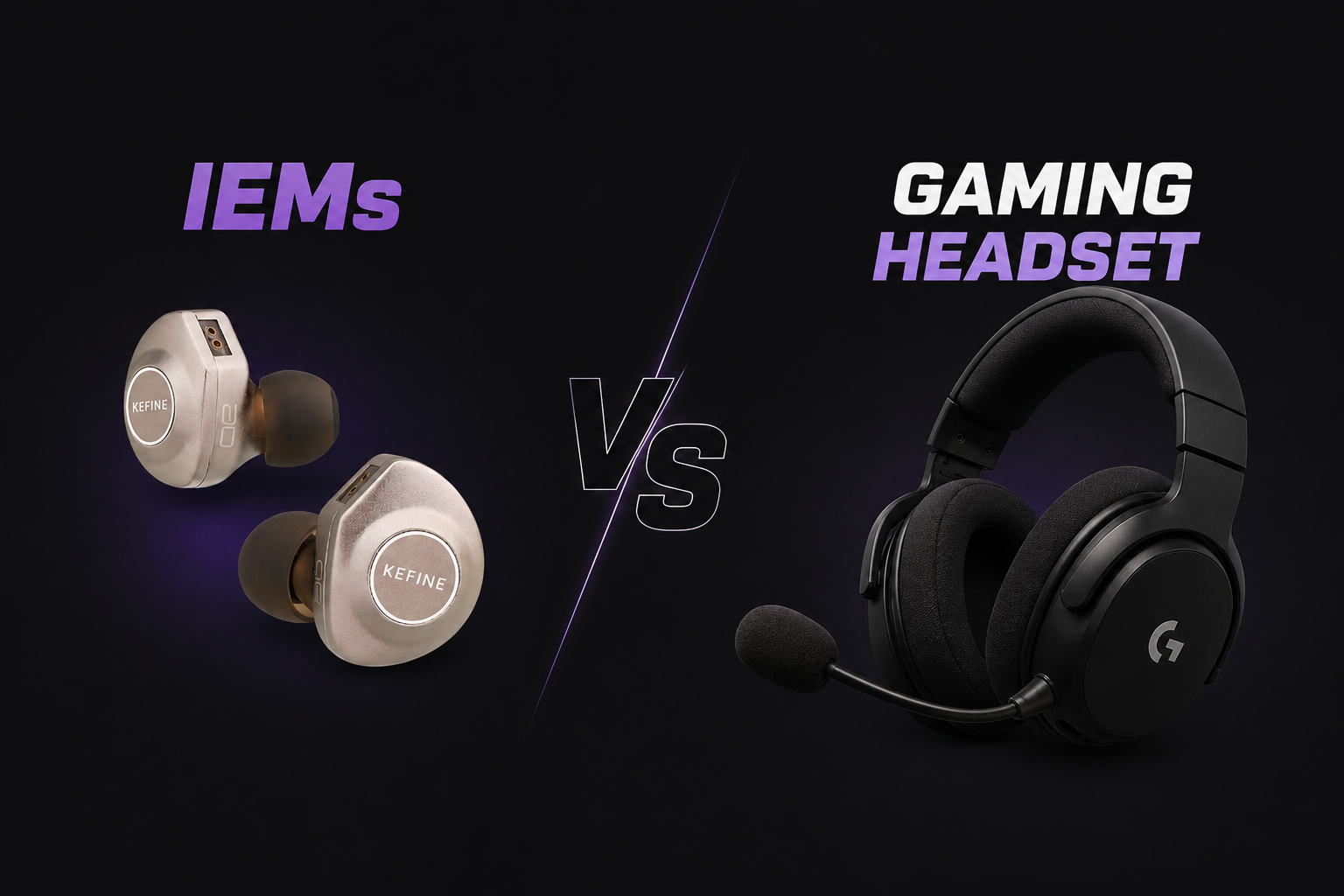
IEMs vs gaming headsets has become an increasingly relevant comparison for players looking to improve their gaming audio.
Gaming headsets have long been the default choice, combining headphones and a microphone in one convenient package. But IEMs, or in-ear monitors, are becoming increasingly popular among competitive players and enthusiasts looking for detailed sound, strong isolation and a lighter setup.
So, which option is actually better for gaming?
The answer depends on what matters most to you: footstep positioning, soundstage, comfort, microphone quality, isolation, portability or overall value.
In this guide, we break down the real differences between IEMs and gaming headsets to help you decide which makes more sense for your setup.
ㅤ
What are IEMs?
IEMs, or in-ear monitors, are compact earphones designed to sit inside the ear canal and create a close seal.
Originally associated with musicians and stage monitoring, IEMs have become increasingly popular for gaming because they can deliver detailed sound, strong passive isolation and precise positional cues in a much smaller form factor than a traditional headset.
For competitive gaming, one of the main advantages is the ability to hear subtle details such as footsteps, reloads and directional audio cues without the weight of a full-size headset.
They are also easy to carry, take up very little desk space and can be used across different devices, depending on the connection.
However, IEMs are not automatically better for everyone. Fit, ear tips and tuning can make a big difference to comfort and sound, especially during long sessions.
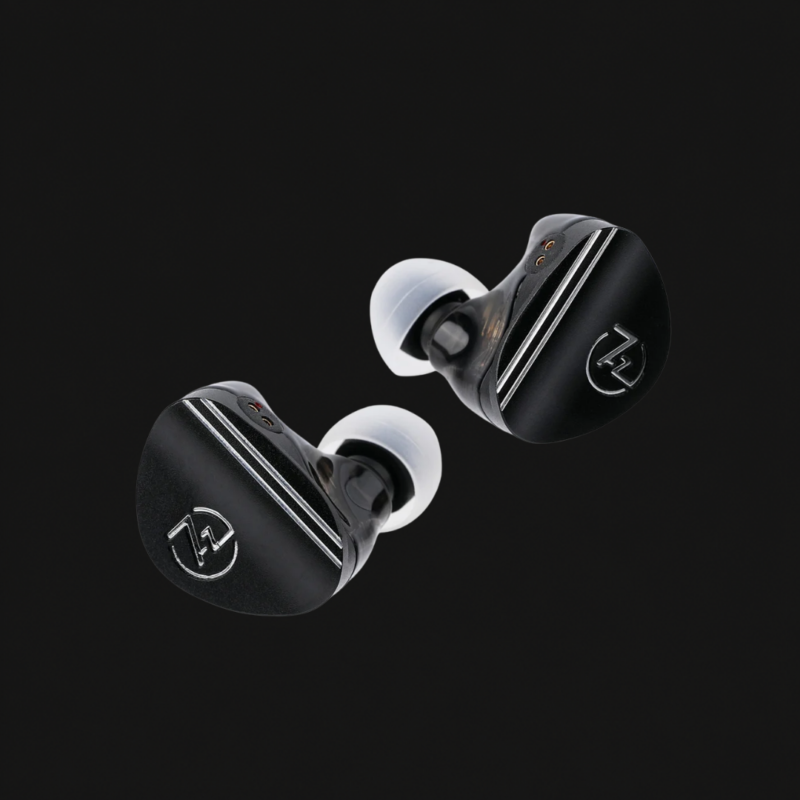
Models such as the 7HZ Sonus show why IEMs have become an interesting option for gaming, combining a compact form factor with detailed sound and a detachable wired connection.
ㅤ
ㅤ
What is a gaming headset?
A gaming headset combines over-ear or on-ear headphones with an integrated microphone, making it an all-in-one solution for gaming and voice communication.
For many players, the biggest advantage is convenience. You get audio and a microphone in a single device, often with features such as volume controls, mute buttons, virtual surround sound or wireless connectivity.
Gaming headsets can also offer a wider and more open presentation than some IEMs, which some players prefer for immersion in single-player games or more cinematic experiences.
However, they are usually larger and heavier, and comfort can vary significantly depending on clamp force, ear pad material and headband design.
For competitive gaming, performance depends heavily on the tuning and imaging of the headset. A large headset does not automatically provide better positional audio.
ㅤ
IEMs vs Gaming Headsets: key differences
Both IEMs and gaming headsets can work very well for gaming, but they prioritise different things. IEMs focus more on compact size, isolation and detailed audio, while gaming headsets usually prioritise convenience, integrated communication and an all-in-one setup.
| Feature | IEMs | Gaming Headsets |
|---|---|---|
| Size | Very compact | Larger |
| Weight | Very light | Heavier |
| Isolation | Usually strong | Depends on design |
| Positional detail | Often excellent | Varies by model |
| Soundstage | Can feel more intimate | Often wider |
| Microphone | Usually separate or optional | Usually integrated |
| Portability | Excellent | More limited |
| Long-session comfort | Depends heavily on fit | Depends on pads and clamp |
| Best for | Detail, isolation, portability | Convenience and all-in-one use |
The biggest difference is not simply sound quality. IEMs tend to offer a lighter and more isolated listening experience, while gaming headsets are usually more convenient for players who want audio and voice chat in one device.
ㅤ
Soundstage, imaging and footsteps
For competitive gaming, terms like soundstage and imaging matter more than simply having “good sound”.
Soundstage describes how wide or spacious the audio presentation feels. A wider soundstage can make a game feel more open and immersive, but wider does not automatically mean more accurate.
Imaging is about how precisely sounds can be positioned within that space. In FPS games, this is especially important for identifying whether footsteps, reloads or other audio cues are coming from the left, right, above or behind you.
This is one area where well-tuned IEMs can perform particularly well. Their close fit and detailed presentation can make subtle directional cues easier to distinguish, especially when the tuning does not overpower important frequencies with excessive bass.
Gaming headsets can also offer strong positional audio, but performance varies significantly between models. A large soundstage is useful, but accurate imaging is usually more important for competitive play.
For players focused on titles such as Valorant, Counter-Strike 2 or Rainbow Six Siege, clear imaging and controlled tuning are often more useful than exaggerated bass or virtual surround effects.
ㅤ
Comfort and long gaming sessions
Comfort can make or break a gaming audio setup, especially during long sessions.
IEMs are much lighter than gaming headsets and do not put pressure on the top of your head or around your ears. For some players, this makes them significantly more comfortable over time.
However, fit matters a lot. The wrong ear tips or a shell that does not suit your ears can cause discomfort, pressure or fatigue after extended use.
Gaming headsets avoid inserting anything into the ear canal, which some players may prefer, but they can introduce other issues such as clamping force, heat build-up and pressure from the headband.
There is no universal winner for comfort. A well-fitting IEM can feel almost weightless, while a comfortable headset can be easier for players who dislike in-ear designs.
For IEM users, experimenting with different ear tip sizes and materials can make a major difference to both comfort and sound quality.
ㅤ
Microphone and communication
One of the clearest advantages of a gaming headset is the integrated microphone.
For players who regularly use voice chat, Discord or in-game communication, a headset offers a simple all-in-one solution without needing extra equipment.
Most IEMs, on the other hand, either do not include a microphone or use an inline mic depending on the cable. That means players who want better voice quality may need a separate USB microphone, boom mic or compatible replacement cable.
For competitive team games, this can be an important factor. If you want the simplest possible setup for both audio and communication, a gaming headset is usually more convenient.
If you already use a dedicated microphone, however, that advantage becomes much less relevant, and IEMs can fit into the setup very easily.
ㅤ
Noise isolation and immersion
IEMs usually provide strong passive noise isolation because they sit inside the ear canal and create a seal with the ear tips.
That can help block out background noise from a keyboard, PC fans or other people in the room, making it easier to focus on in-game audio.
This can also improve immersion, especially in competitive games where subtle sounds matter.
Gaming headsets vary more depending on their design. Closed-back models can provide good isolation, while more open designs may let in more external sound.
For players who want to stay focused and reduce distractions, IEMs often have an advantage. The trade-off is that strong isolation can make you less aware of what is happening around you.
ㅤ
Portability and setup
IEMs are much easier to carry and store than gaming headsets.
A pair of IEMs can fit in a small case or pocket, making them convenient for players who move between setups, travel frequently or use the same audio gear with a PC, laptop, handheld or phone.
They also take up very little desk space and usually require less setup. In most cases, you simply connect them through 3.5mm, USB-C or a compatible DAC.
Gaming headsets are bulkier and can be less practical to transport, especially wireless models that also require a dongle, charging cable or stand.
For players who value a clean setup or want one audio solution that can move easily between devices, IEMs have a clear advantage.
ㅤ
Price and value
Price alone does not determine which option offers better value.
Gaming headsets often look like the simpler choice because they combine headphones and a microphone in one product. For players who need both audio and voice communication, that all-in-one design can be very convenient.
IEMs can offer strong sound quality and detail at relatively accessible prices, especially if you already have a separate microphone or do not need one at all.
They can also scale well with your setup. You can upgrade the cable, ear tips or DAC separately without replacing the entire audio system.
The better value therefore depends on what you actually need. If convenience is the priority, a gaming headset can make more sense. If sound quality, portability and flexibility matter more, IEMs can offer excellent value.
ㅤ
Which is better for competitive FPS?
For competitive FPS games, IEMs can be a very strong choice because they combine low weight, good isolation and precise imaging.
Being able to separate subtle sounds such as footsteps, reloads and directional cues can be more useful than having an extremely wide soundstage, especially in games where positioning matters.
Gaming headsets can also perform very well, but the results vary a lot between models. Some are tuned heavily towards bass or virtual surround effects, which can make explosions sound more dramatic but may also mask smaller details.
For players focused on competitive titles, the most important factors are usually:
- clear imaging
- controlled bass
- good separation
- consistent fit
- comfort during long sessions
If those priorities matter more than having an integrated microphone, IEMs can offer a very competitive setup.
ㅤ
Why are pro players switching from gaming headsets to IEMs?
The shift from traditional gaming headsets to IEMs has become increasingly visible in competitive gaming. In this Gamer Unlocked video, Reis explains why more professional players are making the switch and what makes IEMs appealing for competitive setups.
Lower weight, strong passive isolation and precise positional audio are some of the main reasons IEMs have become a popular alternative to traditional gaming headsets among esports and FPS players.
ㅤ
Which is better for casual gaming?
For casual gaming, the choice is more about comfort, convenience and the type of experience you prefer.
Gaming headsets are often easier for players who want a simple all-in-one solution with an integrated microphone, especially for multiplayer games, Discord or general everyday use.
IEMs can be a better fit for players who prefer a lighter setup, stronger isolation and more detailed audio without the bulk of a full-size headset.
For single-player games, both options can work very well. A gaming headset may feel more cinematic if it offers a wider presentation, while IEMs can provide a more focused and intimate listening experience.
There is no clear winner here. For casual gaming, the best option is usually the one that feels more comfortable and fits better into your setup.
ㅤ
When should you choose IEMs?
You should consider IEMs if you want a lightweight, compact and detailed audio setup that focuses more on sound performance than on all-in-one convenience.
IEMs make particular sense if you:
- play competitive FPS games and care about positional audio;
- already use a separate microphone;
- want strong passive noise isolation;
- prefer a lighter setup for long sessions;
- travel or switch between devices frequently;
- want to upgrade ear tips, cables or other parts of the setup separately.
They are also a good option if you want gaming audio that can double as an everyday listening solution for music, laptops or mobile devices.
For players who value detail, portability and flexibility, IEMs can be a very strong alternative to a traditional gaming headset.
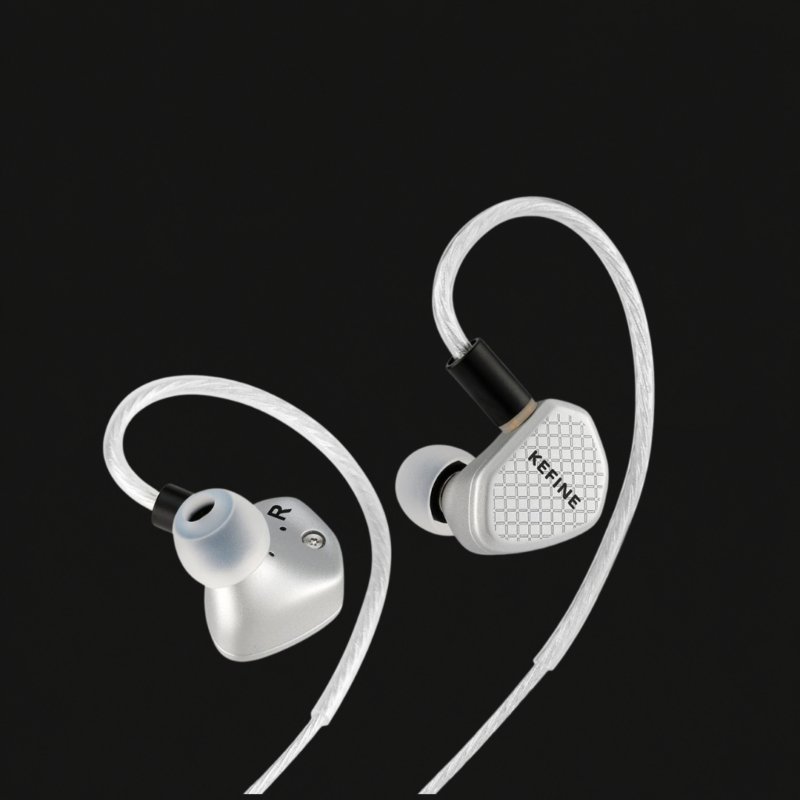
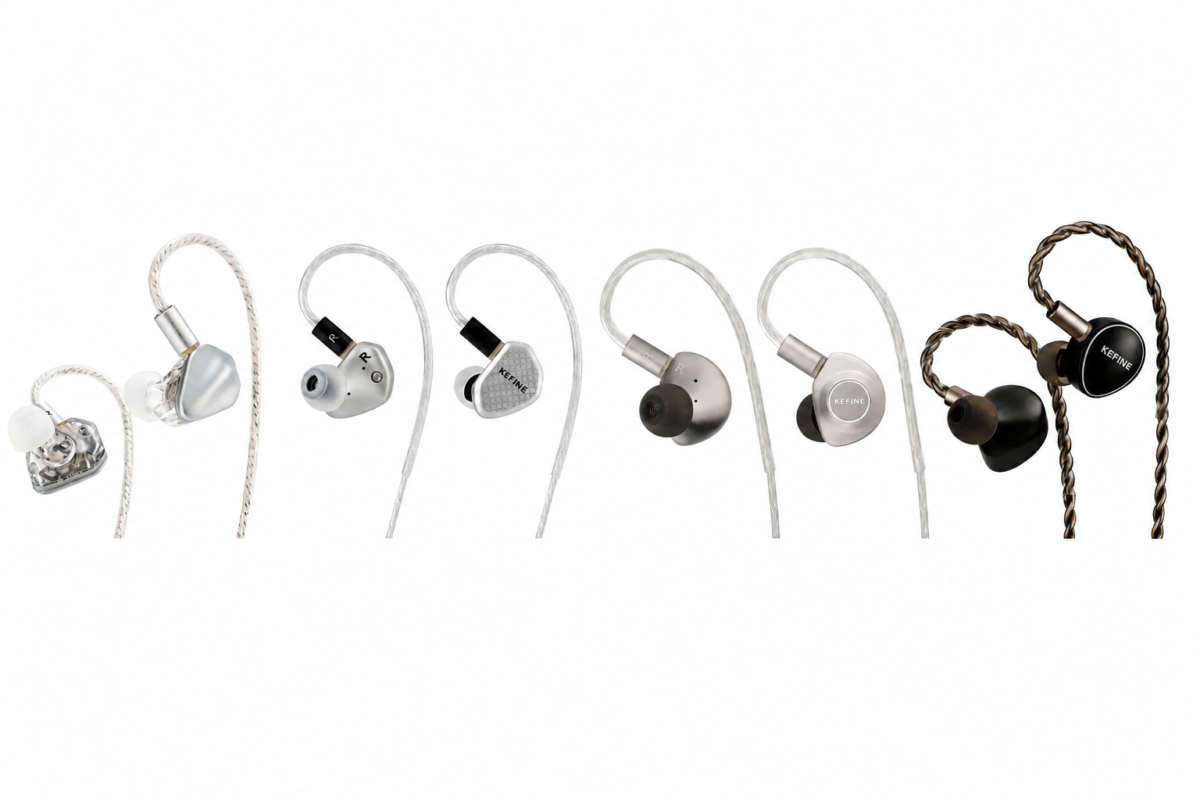
Models such as the KEFINE Klean SV are a good example of how IEMs can combine a compact form factor with a clean, detailed presentation suitable for gaming.
ㅤ
ㅤ
IEMs in gaming: a closer look
IEMs are becoming increasingly common in gaming setups, offering a compact alternative to traditional headsets. This video takes a closer look at how they can fit into a gaming setup and why more players are considering them.
As with any audio setup, the best choice depends on fit, tuning, comfort and how you use your setup.
ㅤ
When should you choose a gaming headset?
A gaming headset makes more sense if you want the simplest all-in-one solution for gaming and communication.
You should consider a gaming headset if you:
- want an integrated microphone without extra equipment;
- regularly use Discord or in-game voice chat;
- prefer over-ear comfort instead of an in-ear fit;
- want a more traditional gaming audio setup;
- do not want to manage separate cables, microphones or accessories.
For players who value convenience and simplicity above everything else, a gaming headset is still a very practical option.
However, if you already use a dedicated microphone or care more about portability, isolation and detailed sound, IEMs can offer a more flexible setup.
ㅤ
Final verdict: IEMs vs Gaming Headsets
IEMs and gaming headsets can both work very well for gaming, but they solve slightly different problems.
IEMs are the stronger choice for players who value low weight, portability, isolation and detailed positional audio, especially if they already use a separate microphone.
Gaming headsets remain more convenient for players who want an all-in-one setup with an integrated microphone and a more traditional over-ear experience.
For competitive FPS, a well-tuned pair of IEMs can be particularly attractive because accurate imaging, controlled bass and strong isolation can help subtle audio cues stand out more clearly.
For casual or mixed use, comfort and convenience may matter more than raw positional performance.
So, there is no universal winner. The better option depends on how you play, how long you play, whether you need an integrated microphone and what kind of audio experience you prefer.
ㅤ
FAQ
Are IEMs better than gaming headsets for FPS?
They can be, especially when they offer clear imaging, controlled bass and good isolation. These qualities can make footsteps and other positional cues easier to distinguish in competitive games.
Do IEMs have better positional audio than gaming headsets?
Not automatically. Positional performance depends heavily on tuning and imaging. A well-tuned IEM can be excellent for directional cues, but a good gaming headset can also perform very well.
Are IEMs comfortable for long gaming sessions?
They can be, but comfort depends on the shell shape and ear tips. A good fit can feel extremely light, while the wrong fit may cause pressure or fatigue.
Do IEMs have microphones?
Some IEM cables include an inline microphone, but many models do not. Players who need higher voice quality often pair IEMs with a separate microphone.
Are gaming headsets better for casual gaming?
They can be more convenient because they combine audio and a microphone in one device. For casual players who prioritise simplicity, that can be an important advantage.
Do I need a DAC for gaming IEMs?
Usually not. Many IEMs work perfectly well from a standard 3.5mm output or compatible USB-C adapter. A DAC can be useful if your device has poor audio output, unwanted noise or you want additional connectivity.
Find the right IEMs for your setup
Explore Gamer Unlocked’s selection of gaming IEMs and find the model that best fits your preferences for detail, isolation, comfort and competitive audio.

Related Posts
IEMs vs Gaming Headsets: Which Is Better for Gaming?
Posted by
IEMs vs gaming headsets has become an increasingly relevant comparison for players looking to improve their gaming audio. Gaming headsets have long been the default choice, combining headphones and a…
CONTINUE READING